
AI in Speech Therapy: How Adaptive Systems Boost Progress
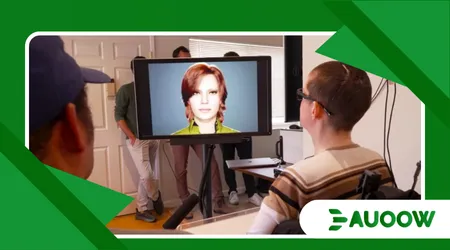
AI in Speech Therapy represents a revolutionary leap forward, moving beyond traditional clinical settings to offer dynamic, personalized support in 2025.
This technological integration is dramatically increasing the accessibility and efficacy of therapeutic interventions for communication disorders. These adaptive systems are changing lives.
By leveraging machine learning and advanced acoustic analysis, Artificial Intelligence (AI) provides precise, real-time feedback that human therapists simply cannot match.
This creates a powerful synergy between technology and established clinical practice, expanding patient reach globally.
What are the Core Functions of AI in Modern Speech Therapy?
AI systems serve multiple essential functions within the speech-language pathology (SLP) framework. They act primarily as tireless data collectors, precise analyzers, and personalized practice coaches.
These functions relieve the SLP of repetitive tasks, allowing them to focus their expertise on complex diagnostic interpretation and emotional support. The system handles the drilling and immediate correction.
++ Wearable Health Monitors for Chronic Conditions
How Does AI Enable Precision and Real-Time Feedback?
AI utilizes sophisticated algorithms to analyze a patient’s vocal patterns, pitch, rhythm, and articulation instantly. This level of detail is impossible for the human ear to track consistently.
The system then delivers immediate, objective feedback a red light for a mispronounced phoneme, or a green light for successful pacing. This instant correction accelerates learning through reinforced practice.
Also read: Metaverse Accessibility: Opportunities and Risks in Virtual Worlds
What is the Role of Machine Learning in Customization?
Machine learning models continuously adapt the therapy curriculum based on the patient’s performance data. If a client struggles with a specific sound, the system automatically increases exposure to related exercises.
This personalization ensures the patient is always working at their optimal challenge level. It prevents the frustration of tasks that are either too easy or prohibitively difficult.
Read more: Scene-Aware AR: From Identifying Obstacles to Understanding Context
Stuttering and Fluency Pacing
For individuals managing stuttering, AI applications can monitor speech fluency metrics like duration and inter-word pauses. The system can provide auditory pacing prompts in real-time.
If the patient’s speech rate exceeds a therapeutic threshold, the system slows the pacing stimulus instantly. This level of dynamic control is a massive breakthrough for managing disfluencies.

How Do Adaptive AI Systems Increase Accessibility to Care?
A primary obstacle in speech therapy is the limited access to qualified specialists, especially in rural or underserved regions. AI in Speech Therapy systems are dismantling these geographic and economic barriers.
The technology enables patients to receive high-quality, continuous therapeutic practice from their own homes, reducing travel time and costs significantly.
Why is Continuous Practice Crucial for Progress?
Speech improvement relies heavily on frequent, consistent practice to rewire neural pathways and motor skills. Weekly sessions alone are often insufficient for significant, lasting change.
AI platforms provide 24/7 access to therapeutic exercises. Patients can practice dozens of times a week, dramatically increasing exposure and skill acquisition.
How Does AI Reduce the Cost of Therapy?
By automating the repetitive drills and data collection, AI reduces the overall time an SLP must dedicate to routine activities. This efficiency often translates into lower costs for patients.
The ability to deliver therapy virtually also eliminates overhead, making intervention more financially viable for a wider demographic, ensuring more people benefit.
The AI System as a Gym Coach
The AI system acts like a personal gym coach. The human therapist designs the overall workout plan (diagnosis and goals).
The AI system stands by, counting repetitions, correcting form instantly, and constantly adjusting the weights (difficulty) for maximum, personalized gain.
How Does AI Improve Diagnostic Accuracy and Data Collection?
The ability of AI to collect and process vast amounts of objective speech data is transforming the diagnostic process for speech-language pathologists. This leads to more precise and less subjective assessments.
AI identifies subtle patterns and correlations in speech production that would be invisible to human observation. This enhances the therapist’s understanding of the underlying disorder.
What Data Points Can AI Monitor Automatically?
AI platforms track a complex array of metrics, including phoneme production accuracy, vowel duration, voice intensity, articulation speed, and syllable stress.
This continuous stream of objective data provides the SLP with an empirical basis for measuring patient progress. The reliance on anecdotal observation is significantly reduced.
How Does AI Aid in Detecting Neurological Conditions?
Early-stage Parkinson’s disease, stroke-related aphasia, and certain developmental disorders often present with subtle changes in speech patterns. AI excels at identifying these minute deviations.
By flagging these subtle shifts, AI serves as an early warning system, prompting the SLP to conduct further assessment sooner, leading to earlier and more effective intervention.
Treatment Time Reduction
A longitudinal study published in the Journal of Speech, Language, and Hearing Research (2023) showed that patients using AI-adaptive systems for articulation practice demonstrated an average 30% reduction in total treatment time required to reach fluency goals compared to traditional in-person methods alone.
This reflects the power of enhanced practice.
What Ethical and Clinical Challenges Does AI in Speech Therapy Face?
Despite the undeniable progress, the integration of AI in Speech Therapy raises important ethical considerations regarding data privacy, equity, and the preservation of the essential human element in care.
SLPs must ensure that technology remains a tool to assist, not replace, human connection and clinical judgment, maintaining the quality of care.
How Do We Ensure Data Privacy and Security?
Speech data, especially when linked to medical conditions, is highly sensitive. AI platforms must adhere to strict regulatory standards (like HIPAA) for encryption and data anonymization.
Patients must be fully informed about how their vocal data is stored, analyzed, and used for system improvement, ensuring informed consent is paramount.
What is the Risk of Bias in AI Algorithms?
AI models are trained on existing data sets, which may not adequately represent diverse linguistic backgrounds, accents, or dialects. This can lead to algorithmic bias.
If an AI system is poorly calibrated, it may incorrectly flag a non-standard but healthy accent as an articulation error. Continuous auditing and diverse data inclusion are essential safeguards.
The Importance of Non-Verbal Cues
AI systems are excellent at analyzing vocal data, but they cannot assess complex non-verbal cues, like frustration, motivation, and emotional state. These cues are vital for effective therapy.
A human SLP recognizes when a patient needs a break, encouragement, or a modification in approach due to emotional resistance. AI currently lacks this empathic judgment.
| AI Function | SLP Task Replaced/Assisted | Primary Benefit to Patient | Challenge/Limitation |
| Acoustic Analysis | Manual articulation assessment | Objective, instant, and consistent feedback | Risk of bias against non-standard accents |
| Adaptive Curriculum | Routine material preparation | Personalized difficulty for optimal learning | Requires high-quality, diverse training data |
| Data Logging | Manual data collection and charting | Continuous, high-frequency progress tracking | Privacy and security of sensitive vocal data |
| 24/7 Practice | Scheduling frequent sessions | Increased total practice time; greater flexibility | Lack of human emotional support or spontaneous interaction |
Conclusion: Augmenting the Human Touch
The strategic application of AI in Speech Therapy is fundamentally transforming the field. It acts as a powerful amplifier, augmenting the capabilities of skilled human therapists rather than supplanting them.
By automating measurement and offering tireless practice, AI increases efficiency, improves patient outcomes, and expands global access to vital care.
The future of communication health is one where technology and empathy work hand-in-hand. Are we ready to embrace this new era of adaptive, personalized communication support?
Share your insights on the balance between AI tools and human clinical wisdom in the comments below!
Frequently Asked Questions
Does AI therapy replace a human Speech-Language Pathologist (SLP)?
No, AI does not replace the SLP. It serves as an assistive tool for practice, data collection, and analysis. The human SLP remains essential for diagnosis, personalized goal setting, and managing complex emotional aspects of therapy.
Can AI help with all types of communication disorders?
AI is highly effective for articulation, fluency (stuttering), and voice disorders where objective measurement is possible. It is less effective for highly complex cognitive communication issues that require abstract reasoning and social interaction analysis.
How do AI systems handle different languages and accents?
The effectiveness of AI heavily depends on the training data. Systems trained on a specific language or regional accent will perform poorly on others, highlighting the need for developers to ensure linguistic diversity.
Is AI useful for pediatric (child) therapy?
Yes. AI is often gamified and delivered via engaging applications, which can be highly effective for motivating children to practice speech exercises frequently and consistently outside of formal sessions.
What qualifications are needed to use AI speech therapy tools?
While patients can use the practice interfaces at home, the overall therapy plan, goals, and supervision of the AI treatment should always be set and managed by a certified Speech-Language Pathologist (SLP).
