
Predictive Health Alerts in Assistive Devices: A Life-Saving Trend?
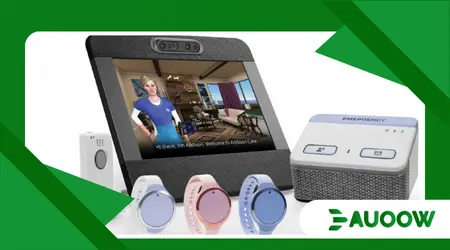
Predictive Health Alerts in Assistive Devices are currently revolutionizing how we approach personal autonomy and medical safety in 2025.
This technological leap moves beyond mere reaction, shifting toward a proactive stance that identifies health crises before they manifest physically.
By integrating advanced sensors into wheelchairs, hearing aids, and exoskeletons, developers are creating a safety net that never sleeps.
These systems analyze biometric patterns in real-time, offering a level of security that was considered science fiction only a decade ago.
How Does Predictive AI Transform Modern Assistive Hardware?
The integration of Predictive Health Alerts in Assistive Devices relies on the synergy between high-fidelity biometric sensors and edge computing.
These devices no longer just assist with movement or sensory input; they monitor the user’s internal physiological state constantly.
Advanced algorithms detect subtle anomalies in heart rate variability, skin temperature, and oxygen saturation.
By processing this data locally, devices provide immediate feedback, ensuring that privacy is maintained while critical life-saving information is generated instantly.
++ Telehealth and Assistive Tech: Closing the Accessibility Gap
What Role Does Machine Learning Play in Pattern Recognition?
Machine learning serves as the brain of these systems, learning the unique baseline of each individual user over several weeks.
This personalization is vital because a “normal” heart rate for one person might indicate distress for another.
Once the baseline is established, the AI identifies deviations that precede events like falls or seizures. This capability turns a standard mobility aid into a sophisticated diagnostic tool that operates quietly in the background of daily life.
Also read: AI in Speech Therapy: How Adaptive Systems Boost Progress
How Do Sensors Capture Real-Time Biometric Fluctuations?
Modern sensors utilize photoplethysmography and galvanic skin response to track internal changes through non-invasive contact points.
These components are often embedded directly into the handles of walkers or the cushions of specialized seating systems.
The hardware must be incredibly precise to filter out “noise” caused by regular physical activity.
This ensures that the Predictive Health Alerts in Assistive Devices remain accurate, preventing the “alarm fatigue” caused by frequent false positives.
Read more: Wearable Health Monitors for Chronic Conditions
Why is Edge Computing Critical for Immediate Alerts?
Processing data directly on the device known as edge computin removes the delay associated with sending information to the cloud. In a medical emergency, every second counts toward a positive outcome.
By keeping the analysis local, the device functions even in areas with poor internet connectivity. This autonomy ensures that users are protected whether they are in a high-tech city or a remote rural location.
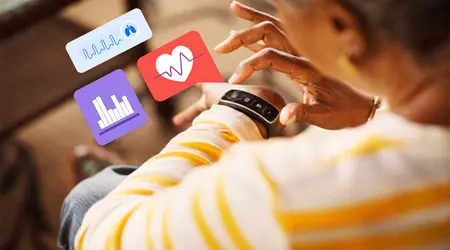
What are the Primary Benefits of Early Warning Systems?
Implementing Predictive Health Alerts in Assistive Devices offers a profound psychological and physical benefit: the restoration of confidence.
Users and their families experience less anxiety knowing that a silent guardian is monitoring vital signs.
Furthermore, these systems reduce the burden on emergency rooms by allowing for early, low-level interventions.
Detecting a minor respiratory change early can prevent a full-blown crisis requiring intensive hospitalization later.
How Can Predictive Alerts Prevent Catastrophic Falls?
Falls are a leading cause of injury among assistive device users, often preceded by changes in gait or balance.
Predictive systems analyze center-of-gravity shifts in smart wheelchairs or walkers to warn the user to stop and rest.
By providing an alert seconds before a balance loss occurs, the device allows the user to find a stable position. This proactive approach fundamentally changes the safety profile of mobility aids for the elderly and disabled.
In What Ways Do These Devices Enhance Caregiver Efficiency?
Caregivers often struggle with the constant need for vigilance, leading to significant burnout and stress. Predictive Health Alerts in Assistive Devices act as a digital assistant that provides updates only when necessary.
This targeted notification system allows caregivers to focus on meaningful interaction rather than constant monitoring.
It creates a more balanced relationship where the user maintains independence while the caregiver stays informed of actual risks.
What Statistic Proves the Impact of Early Detection?
A 2024 study published in The Lancet Digital Health revealed that early warning systems in wearable assistive tech reduced emergency hospitalizations by 31% among chronic heart failure patients.
This data highlights the tangible fiscal and human value of proactive monitoring.
This significant reduction proves that Predictive Health Alerts in Assistive Devices are not just a luxury but a clinical necessity.
The ability to intervene early translates directly into saved lives and reduced healthcare expenditures.
What Ethical and Technical Hurdles Remain for Developers?
Despite the clear advantages, the widespread rollout of Predictive Health Alerts in Assistive Devices faces significant hurdles regarding data privacy and “algorithmic bias.” Ensuring that AI treats all ethnicities and body types fairly is a major focus in 2025.
Additionally, the cost of these high-tech components can limit access for lower-income populations. Bridging this digital divide is essential to ensure that life-saving innovation is not restricted to a wealthy elite.
How is User Privacy Protected in a Hyper-Connected World?
Privacy is a paramount concern when devices record sensitive medical data every second of the day. Developers are implementing “Privacy by Design,” where data is encrypted and anonymized before any external transmission occurs.
Users must have absolute control over who sees their health alerts, whether it is a family member or a physician.
Clear consent frameworks are being integrated into the setup process of every new Predictive Health Alerts in Assistive Devices model.
Why is the Analogy of a “Guardian Angel” Appropriate?
Think of these devices as a “Digital Guardian Angel” that watches over your shoulder. Like a pilot’s co-pilot, the device doesn’t take over your life; it provides vital information when you are unaware of a lurking danger.
This analogy helps users understand that the technology is there to support their autonomy, not to diminish it. Can we really afford to ignore a technology that acts as a silent, expert observer of our well-being?
What is a Practical Example of a Life-Saving Intervention?
Imagine a user with a smart hearing aid that detects a specific pattern of cardiovascular strain through ear-canal sensors. The device sends a subtle haptic pulse to the user’s wrist, suggesting they sit down.
Five minutes later, the user experiences a minor cardiac event while safely seated, avoiding a dangerous fall or a delayed response.
This real-world application demonstrates the power of Predictive Health Alerts in Assistive Devices in daily life.
How Does Interoperability Improve the Healthcare Ecosystem?
For these alerts to be truly effective, they must communicate seamlessly with broader healthcare systems. Interoperability allows a smart exoskeleton to send a detailed report directly to a cardiologist’s dashboard during an emergency.
This creates a “circle of care” where the device, the patient, and the medical professional are all synchronized. The result is a more responsive, informed, and ultimately more human-centric approach to modern medicine.
Evolution of Assistive Device Capabilities (2020 vs. 2025)
| Feature | Legacy Devices (2020) | Predictive Devices (2025) | Impact on User Safety |
| Response Model | Reactive (Alerts after a fall) | Proactive (Alerts before a fall) | Significant reduction in injury severity |
| Data Processing | Cloud-dependent | Edge Computing (Local) | Faster response times and better privacy |
| Monitoring | Periodic (Snapshot) | Continuous (24/7 Stream) | Early detection of subtle health shifts |
| User Interface | Manual input required | Automated AI sensing | Lower cognitive load for the user |
| Integration | Standalone hardware | Ecosystem-linked (IoT) | Comprehensive medical data sharing |
In conclusion, Predictive Health Alerts in Assistive Devices represent a monumental shift from supporting physical movement to protecting biological life.
By utilizing machine learning, edge computing, and high-precision sensors, these devices offer a proactive shield against medical crises.
While challenges in privacy and equity remain, the data clearly shows a future where our tools are as smart as the doctors who prescribe them.
As we move deeper into 2025, the integration of these systems will likely become the standard for all assistive technology, turning every device into a potential lifesaver.
Would you like to learn more about specific smart walkers that are currently integrating these AI features? Share your experience with assistive tech in the comments below!
Frequently Asked Questions
Are these predictive alerts 100% accurate?
No technology is perfect. While Predictive Health Alerts in Assistive Devices are highly advanced in 2025, they are designed to complement, not replace, professional medical advice and regular check-ups with a doctor.
Do these devices require a constant internet connection?
Most modern devices use “edge computing” to process critical health data locally. This means the life-saving predictive features will continue to function even if you are offline or in an area with poor signal.
Can the AI distinguish between exercise and a medical emergency?
Yes. Modern machine learning models are trained to recognize the difference between “healthy” physical exertion (like a brisk walk) and the specific physiological signatures of a medical crisis, such as a heart attack or seizure.
Is my medical data shared with third-party advertisers?
Reputable manufacturers follow strict medical privacy laws (like HIPAA or GDPR). Data used for Predictive Health Alerts in Assistive Devices is typically encrypted and is only shared with designated caregivers or medical professionals with your explicit consent.
How much more expensive are these “smart” devices?
While the initial cost is higher due to the sensors and AI, many insurance providers are beginning to cover them because they significantly reduce the long-term costs associated with emergency room visits and hospitalizations.
