
Inclusive Education in the Middle East: Emerging Opportunities
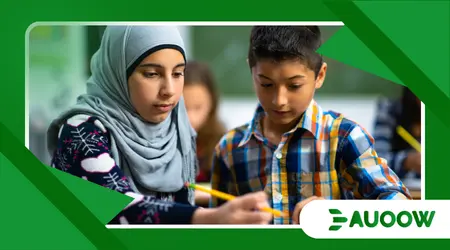
Inclusive Education in the Middle East is undergoing a profound transformation as nations across the Gulf and Levant pivot toward more equitable social systems.
In 2026, the region is no longer just importing Western models but is actively engineering bespoke solutions for neurodiversity and physical accessibility.
Governments in the UAE, Saudi Arabia, and Qatar have integrated accessibility into their national visions, recognizing that human capital depends on universal participation.
This shift moves beyond mere charity, framing inclusion as a critical driver for economic diversification and long-term societal resilience.
What is Driving the Growth of Inclusive Education in the Middle East?
Social reform and economic necessity are the dual engines powering this revolution across the Arab world.
Leadership in the region now views disability through the lens of “Determination,” a term famously coined in the UAE to shift public perception.
Legislation is catching up with these cultural shifts, mandating that private and public schools provide reasonable accommodations for all learners.
This legal pressure creates a surge in demand for specialized teachers and assistive technologies across major urban hubs.
Why are Vision 2030 and Dubai’s Inclusive Policy so Relevant?
Saudi Arabia’s Vision 2030 has allocated billions to reform specialized education, aiming to integrate students with disabilities into mainstream classrooms.
This massive investment focuses on retrofitting older schools and building new, universally designed campuses from the ground up.
Dubai’s “Inclusive Education Policy Framework” serves as a regional blueprint, requiring schools to appoint “Inclusion Champions” to oversee individualized learning plans.
These strategic roles ensure that no student falls through the cracks due to administrative oversight or lack of resources.
++ Africa’s Innovative Approaches to Inclusive Learning
How is Technology Bridging the Accessibility Gap?
Artificial Intelligence is revolutionizing Inclusive Education in the Middle East by providing real-time Arabic speech-to-text and specialized learning apps.
Schools in Jordan and Kuwait are adopting these tools to support students with hearing and visual impairments in mainstream settings.
Customizable digital interfaces allow educators to adjust font sizes, color contrasts, and complexity levels for neurodivergent students at the touch of a button.
This tech-heavy approach aligns perfectly with the region’s broader digital transformation goals and “Smart City” initiatives.
Also read: Gamification and Accessibility: Designing Play for Learning
Why is Teacher Training the Next Big Challenge?
While infrastructure is improving, the shortage of Arabic-speaking special education experts remains a significant hurdle for many schools.
Universities in Lebanon and Egypt are now launching specialized master’s programs to fill this critical gap in the local labor market.
Continuous professional development is being mandated by regional regulators to ensure that mainstream teachers can manage diverse classrooms effectively.
Schools are shifting away from “pull-out” sessions toward “push-in” support, where specialists assist within the standard classroom environment.
Read more: Grading with Equity: Practical Approaches for Teachers
How Does Inclusion Benefit Non-Disabled Students?
Research consistently shows that diverse classrooms foster higher levels of empathy and social intelligence among all students, regardless of their abilities.
When children grow up alongside peers with different needs, they develop the collaborative skills essential for the modern global economy.
Mainstream students in Riyadh and Abu Dhabi are reporting higher levels of school satisfaction in inclusive environments.
This holistic benefit proves that Inclusive Education in the Middle East is a rising tide that lifts all boats.

Why is Private Investment Flowing into Inclusive Schools?
Investors are recognizing that Inclusive Education in the Middle East represents a high-growth sector with massive social impact potential.
High-net-worth families are increasingly seeking schools that can cater to all their children under one roof, regardless of individual needs.
This market demand has led to the rise of premium inclusive academies that combine elite academics with world-class therapy centers.
These institutions prove that profitability and social purpose can coexist in the competitive Middle Eastern education market.
What Role do “Centers of Excellence” Play?
Specialized centers of excellence are acting as research hubs, developing evidence-based practices tailored to the specific cultural context of the region.
They provide a bridge between intensive therapy and full mainstream integration, offering a “stepped” approach to inclusion.
These centers often partner with international universities to bring the latest global research to local practitioners.
By localizing these global best practices, they ensure that the support provided is culturally sensitive and linguistically appropriate for Arab families.
How is the EdTech Sector Adapting to Inclusion?
Middle Eastern EdTech startups are focusing on “Gamified Learning” specifically designed for children with ADHD and Autism.
These platforms use localized stories and cultural references to keep students engaged while building essential literacy and numeracy skills.
Venture capital is pouring into these startups as they expand beyond local markets to serve the wider Arab diaspora.
This innovation is positioning the region as a global leader in culturally relevant inclusive software and digital learning tools.
What Statistic Highlights the Scale of this Transition?
A 2025 study by the UNESCO Regional Centre for Quality and Excellence in Education (RCQE) noted a 35% increase in mainstreaming.
More students with disabilities are now in general education classes in the GCC compared to the previous five-year average.
This data underscores the effectiveness of recent policy changes and the growing public acceptance of inclusive models.
It serves as a powerful testament to the region’s commitment to achieving the UN’s Sustainable Development Goal 4.
How is Inclusion Like an “Orchestra” in a Classroom?
Think of a classroom like an orchestra; a symphony is only complete when every instrument, from the loud drums to the quiet flute, plays.
Inclusion doesn’t mean everyone plays the same note, but that every student has a part in the overall melody of the lesson.
When a teacher acts as the conductor, they ensure that every “instrument” is heard and valued.
This analogy perfectly describes the harmony that Inclusive Education in the Middle East aims to achieve in its diverse schools.
How Can Families Navigate the Emerging Opportunities?
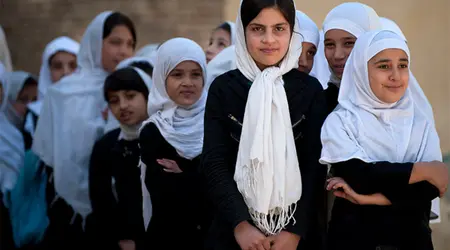
For parents, Inclusive Education in the Middle East offers a new landscape of choice, though navigating these options requires careful research.
Families should look for schools that hold “Inclusive Research” certifications and offer transparent communication regarding their support services.
The 2026 academic year has seen the launch of government-backed “School Finder” apps that specifically filter for accessibility features.
These tools empower parents to make informed decisions based on their child’s specific medical and educational requirements.
Why is Parent Advocacy Becoming More Effective?
Parent support groups are flourishing on social media, creating a powerful collective voice that influences school board decisions.
These grassroots movements are pushing for more competitive pricing for shadow teachers and better accessibility in school transportation.
In countries like Oman and Bahrain, these groups are working closely with ministries to refine national inclusion standards.
This collaborative approach ensures that the voices of those most affected by the policies are heard at the highest levels.
What are the Vocational Advantages of Inclusive Education?
The ultimate goal of inclusion is to prepare students for a meaningful life and career within their local communities.
Inclusive schools are increasingly partnering with local businesses to provide “Supported Internship” programs for their senior students.
This bridge to employment ensures that the benefits of Inclusive Education in the Middle East extend far beyond the graduation stage.
It creates a path toward financial independence and social contribution for a generation that was previously overlooked.
What is a Practical Example of an “Inclusion Success Story”?
In Sharjah, a student with Down Syndrome recently graduated from a mainstream high school with honors, thanks to a customized vocational curriculum.
He now works in a local hospitality group, supported by a coach funded through a public-private partnership.
This story is becoming common as the “hidden talent” of the region is finally given the stage it deserves.
It serves as a beacon of hope for thousands of families navigating the early stages of their child’s educational journey.
Is the Region Ready for the “Next Level” of Inclusion?
Can we imagine a future where “Special Education” is no longer a separate department but simply part of the standard curriculum?
As Inclusive Education in the Middle East matures, the goal is to make these accommodations so seamless that they become invisible.
The journey is far from over, but the momentum in 2026 suggests that the Middle East is on a path to global leadership.
The only question remains: will your school be part of the change, or will it be left behind?
Inclusive Education Progress by Country (2026 Status)
| Country | Primary Strategy | Key Achievement | Targeted Growth Area |
| UAE | Determination Policy | 100% Inclusion in Private Sector | Advanced Assistive AI |
| Saudi Arabia | Vision 2030 Reform | $1B+ Infrastructure Budget | Teacher Specialization |
| Qatar | National Vision 2030 | Unified National Inclusion Law | Vocational Bridging |
| Jordan | Digital Accessibility | Regional Leader in Arabic EdTech | Rural School Retrofitting |
| Kuwait | Public-Private Hubs | Centers of Excellence Model | Early Intervention Kits |
In conclusion, the rise of Inclusive Education in the Middle East represents a profound shift toward a more compassionate and economically diverse future.
By leveraging technology, reforming laws, and training a new generation of educators, the region is turning “barriers” into “gateways.”
While challenges in rural accessibility and specialist recruitment remain, the progress made by 2026 is undeniable and inspiring.
This movement ensures that every child, regardless of their starting point, has the opportunity to contribute to the vibrant future of the Middle East.
What has been your experience with finding inclusive support for your family in the region? Share your experience in the comments!
Frequently Asked Questions
Are inclusive schools more expensive than standard schools?
In many cases, yes, due to the cost of “Shadow Teachers” and specialized equipment.
However, government subsidies and the entry of more private providers in 2026 are beginning to make Inclusive Education in the Middle East more competitive.
Can my child still follow a standard curriculum in an inclusive school?
Absolutely. The goal is to provide “Differentiated Instruction,” where the core curriculum is the same, but the way it is taught is adapted to meet your child’s specific learning style and needs.
What should I look for during a school tour?
Check for physical ramps, sensory rooms, and the presence of specialized therapists on-site.
Most importantly, ask to meet the “Inclusion Coordinator” to see how they handle Individualized Education Plans (IEPs).
Is there support for Arabic-speaking students with dyslexia?
Yes. The 2026 market has seen a surge in Arabic-specific diagnostic tools and remedial software.
Many inclusive schools now have dedicated literacy specialists trained in Arabic phonetics and neurodiverse learning patterns.
How do universities in the region handle inclusion?
Leading universities in cities like Doha and Riyadh now have “Accessibility Offices” that provide extra time on exams, sign language interpreters, and campus-wide digital accessibility tools for all registered students.
