
Africa’s Innovative Approaches to Inclusive Learning
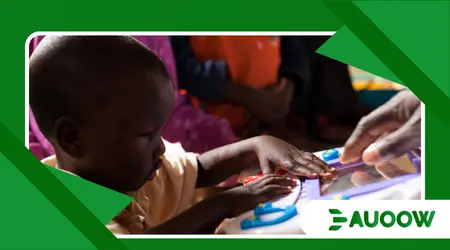
Africa’s Innovative Approaches to Inclusive learning are currently reshaping how the global south perceives educational equity and resource management in the year 2025.
Across the continent, educators are bypassing traditional barriers by utilizing low-tech solutions and community-driven models to reach every child.
This movement represents a shift from passive aid to active, localized brilliance.
By focusing on linguistic diversity and neurodiversity, African nations are proving that inclusion is not a luxury, but a necessity for growth.
What are the leading models for educational inclusion across the continent?
Governments are increasingly adopting the Universal Design for Learning (UDL) to accommodate various learning needs within mainstream classrooms.
This strategy ensures that students with disabilities or language barriers are not segregated but integrated.
South Africa and Kenya lead the way by implementing policies that prioritize accessible infrastructure and teacher training.
These nations view Africa’s Innovative Approaches to Inclusive education as a pillar of their national development goals.
++ Gamification and Accessibility: Designing Play for Learning
How does community-based rehabilitation support rural students?
In rural areas, community members receive training to support children with disabilities directly in their homes and local schools.
This localized support system bridges the gap where specialized medical or educational facilities are physically absent.
Villagers become advocates, reducing the stigma often associated with physical or cognitive differences. This grassroots effort is a cornerstone of Africa’s Innovative Approaches to Inclusive social integration in 2025.
Also read: Grading with Equity: Practical Approaches for Teachers
Why is mother-tongue instruction considered a tool for inclusion?
Research proves that children learn best when taught in the language they speak at home before transitioning to global languages.
Many West African schools are now introducing local dialects into the early childhood curriculum to boost comprehension.
This approach prevents children from feeling excluded due to linguistic gaps. It fosters a sense of belonging and cultural pride, which are essential for long-term academic success and emotional well-being.
Read more: Standardized Testing vs Inclusive Assessment: What Works Better?
How are mobile libraries reaching nomadic populations?
In regions like Ethiopia and Nigeria, camel-drawn and motorcycle libraries bring books and digital tablets to nomadic communities.
These mobile units ensure that moving families still have access to a consistent, high-quality education. By bringing the school to the student, these programs remove the “location” barrier entirely.
This flexibility highlights the creative spirit found in Africa’s Innovative Approaches to Inclusive delivery of knowledge.
How is technology driving accessibility in low-resource environments?
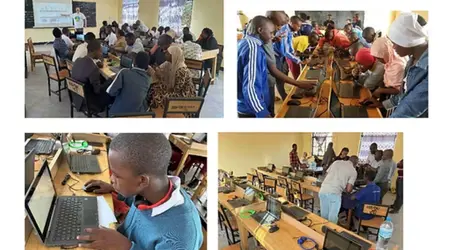
Digital transformation in Africa often bypasses the need for high-speed fiber optics by utilizing solar-powered, offline servers.
These “schools-in-a-box” provide vast digital libraries to remote areas without requiring a constant internet connection.
Teachers use basic SMS-based platforms to send lessons and collect feedback from students in areas with limited smartphone penetration.
This pragmatic use of tech defines Africa’s Innovative Approaches to Inclusive digital literacy for the underserved.
What is the impact of solar-powered learning hubs?
Learning hubs powered by the sun allow students to study after dark and access digital tools in off-grid villages.
These centers act as safe spaces where girls and children with disabilities can learn without physical constraints.
The reliability of solar energy ensures that the digital divide does not widen further. These hubs are physical manifestations of Africa’s Innovative Approaches to Inclusive infrastructure for the modern age.
How do text-to-speech apps help visually impaired students?
Affordable smartphone apps are now translating printed textbooks into spoken word for thousands of students across East Africa.
This technology allows visually impaired learners to follow the same curriculum as their sighted peers without expensive braille.
By lowering the cost of assistive technology, these apps are democratizing classroom participation. This tech-driven equality is a vital part of Africa’s Innovative Approaches to Inclusive academic landscapes.
What statistic highlights the success of these programs?
According to a 2024 report by UNESCO, targeted inclusive education programs in Sub-Saharan Africa have increased the primary school completion rate for children with disabilities by 12%.
This progress demonstrates that intentional policy yields real-world results.
This data confirms that the focus is shifting toward measurable outcomes. It proves that Africa’s Innovative Approaches to Inclusive learning are not just theories, but effective drivers of human capital.
How is a classroom like a diverse garden?
A classroom is like a diverse garden where every plant requires different amounts of sunlight and water to thrive. You wouldn’t treat a cactus the same way you treat a fern, yet both add beauty to the landscape.
Inclusive education provides the specific “nutrients” each student needs rather than forcing a one-size-fits-all approach.
This analogy helps parents and teachers understand that different support levels are fair, not preferential.
Why is teacher training the backbone of this educational revolution?
Even the best technology fails without teachers who understand how to manage a diverse classroom environment effectively.
African universities are now integrating special education modules into all standard teaching degrees to prepare the next generation.
Educators learn to identify learning disabilities early and adapt their teaching styles to meet diverse needs.
This human investment ensures that Africa’s Innovative Approaches to Inclusive learning remain sustainable and impactful for years.
How do peer-support networks improve classroom dynamics?
“Buddy systems” pair students with different abilities to foster empathy and shared learning experiences within the classroom.
These networks reduce the burden on teachers while teaching students valuable social skills like patience and cooperation.
When children help one another, the classroom becomes a collaborative ecosystem rather than a competitive one.
This social engineering is a subtle yet powerful part of Africa’s Innovative Approaches to Inclusive education.
What is the “Rwanda Model” for inclusive schooling?
Rwanda has successfully converted several former specialized centers into “resource hubs” that support multiple nearby mainstream schools.
These hubs share specialized equipment and itinerant teachers to maximize the reach of limited resources.
This model prevents the isolation of students with high needs. It creates a network of support that benefits the entire community, showcasing the efficiency of Africa’s Innovative Approaches to Inclusive planning.
What original example shows the power of vocational inclusion?
In Ghana, a specialized program teaches coding and graphic design to deaf youth using visual-heavy, hands-on workshops.
This gives these students a direct path into the global freelance economy, bypassing local hiring biases.
By focusing on high-demand digital skills, the program ensures that inclusion leads directly to economic independence.
This is a practical, life-changing example of Africa’s Innovative Approaches to Inclusive vocational training.
How do we measure the “dignity” of an inclusive system?
We measure dignity not by the number of tablets in a room, but by the confidence of a child who feels seen. Is an education system truly successful if it only serves the “average” student?
This retorical question forces us to rethink our metrics for success. True progress lies in creating a system where every child, regardless of their starting point, can reach their full potential.
Strategic Pillars of African Inclusive Learning (2025)
| Pillar | Strategy | Target Group | Key Outcome |
| Linguistic Equity | Mother-tongue instruction | Rural & minority groups | Improved early literacy and retention |
| Digital Reach | Offline solar-powered hubs | Off-grid communities | Narrowing of the digital divide |
| Peer Integration | Buddy systems & UDL | Neurodiverse students | Reduced stigma and higher empathy |
| Resource Sharing | Hub-and-spoke school models | High-needs learners | Efficient use of specialized equipment |
| Vocational Tech | Visual-based coding camps | Deaf and hard-of-hearing youth | Direct path to economic independence |
In summary, the continent is moving forward with bold, localized strategies that prioritize human connection over expensive hardware.
From solar-powered hubs to mother-tongue curriculums, these methods are proving that inclusion is a catalyst for broader societal change.
By investing in teachers and community support, African nations are building a foundation where no child is left behind.
The success of these programs offers a blueprint for any region looking to make learning truly accessible.
What part of these inclusive models could be applied to your local community to help every student succeed? Share your experience in the comments!
Frequently Asked Questions
Does inclusive education slow down the rest of the class?
No. Research shows that inclusive environments benefit all students by encouraging diverse problem-solving and social empathy.
Teachers often use clearer instructions and better visual aids, which helps every student understand the material more effectively.
How do schools afford these programs in low-income areas?
Many of these approaches, like peer-buddy systems and mother-tongue instruction, cost very little to implement.
The focus is on Africa’s Innovative Approaches to Inclusive resource management, such as sharing equipment between multiple schools to lower costs.
Is digital learning effective without the internet?
Yes. Offline servers (like the RACHEL system) allow students to access copies of Wikipedia, Khan Academy, and digital textbooks.
This ensures that a lack of connectivity does not prevent students from accessing world-class information.
Can children with severe disabilities attend mainstream schools?
While some children may still require specialized support for part of the day, the goal is “partial or full integration.”
Resource hubs provide the necessary tools (like wheelchairs or hearing aids) to make mainstream attendance possible.
Why is the “mother-tongue” approach so important for inclusion?
When a child enters school and is immediately forced to learn in a foreign language (like English or French), they are effectively excluded from the lesson.
Starting in a local language ensures they understand basic concepts before adding the challenge of a new language.
