
Inclusive Fashion Brands: Clothing Designed for Every Body
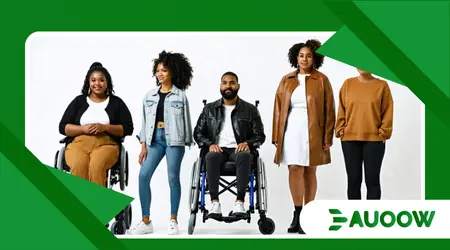
Inclusive Fashion Brands are fundamentally reshaping the global apparel industry as we move through 2025.
This movement transcends mere seasonal trends, focusing instead on long-overdue human rights and dignities.
Modern designers now acknowledge that traditional sizing and fastening systems exclude millions.
By integrating accessibility into the initial design phase, these pioneers prove that high fashion can and must accommodate every unique body type.
What Defines the Impact of Inclusive Fashion Brands Today?
The rise of Inclusive Fashion Brands signifies a shift from “specialty” items to mainstream availability. Adaptive clothing is no longer hidden in medical catalogs but showcased on major runways.
True inclusivity means considering mobility, sensory sensitivities, and seated silhouettes. When brands prioritize these diverse needs, they unlock a massive, underserved market that values function as much as aesthetics.
How Does Adaptive Engineering Improve Daily Autonomy?
Adaptive fashion replaces difficult buttons with magnetic closures and zippers that users can operate with one hand. These subtle changes restore independence to individuals with limited dexterity or chronic pain.
Furthermore, reinforced loops allow for easier dressing for those with lower-body mobility challenges.
Small design adjustments create a profound psychological impact, fostering confidence and self-reliance in daily routines.
++ How Smartwatches Are Saving Lives for Epileptic and Cardiac Patients
Why is Sensory-Friendly Design Gaining Momentum?
Many Inclusive Fashion Brands now focus on the sensory experience of clothing. Removing itchy tags and using flat seams benefits people with autism or skin sensitivities.
Soft, breathable fabrics like bamboo or organic cotton are becoming industry standards.
This holistic approach ensures that clothing feels as good as it looks, catering to neurological as well as physical diversity.
Also read: Accessible Office Tools: Top 10 Apps for Disabled Professionals
What is an Original Example of Adaptive Sportswear?
Consider a major athletic brand developing a running shoe with a wrap-around zipper entry. This allows athletes with orthotics or prosthetic limbs to slide their feet in effortlessly without traditional laces.
This innovation serves elite Paralympians while also helping elderly individuals with arthritis. It illustrates how solving for specific disabilities often leads to universal design benefits that everyone can enjoy.
Read more: Toothbrush Tech for Disabled Users: The Rise of Y-Brush and Alternatives
How Does Seated-Cut Tailoring Change Professional Attire?
Traditional trousers often bunch uncomfortably for full-time wheelchair users. Leading Inclusive Fashion Brands now offer “seated-cut” designs with higher back rises and flattened seams to prevent pressure sores.
These garments ensure that professional suits and casual jeans drape perfectly while seated. By addressing the specific geometry of a seated body, designers are finally providing equity in professional styling.
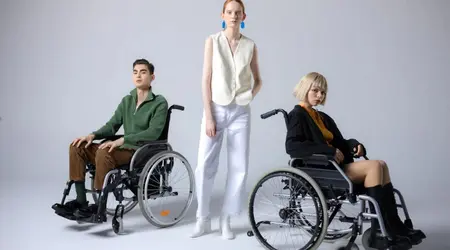
Why is Economic Inclusion Driving the Fashion Industry Forward?
The financial case for Inclusive Fashion Brands is becoming impossible for major retailers to ignore. Consumers are increasingly voting with their wallets for brands that reflect the actual diversity of the global population.
Marketing that features disabled models is no longer a “bold statement”—it is a requirement for brand authenticity. Investors now view inclusivity as a key indicator of long-term commercial viability.
What Statistic Proves the Growth of Adaptive Apparel?
According to a 2024 report by Coresight Research, the global adaptive clothing market is projected to reach $350 billion by 2026. This rapid growth outpaces many traditional luxury segments.
This data highlights a significant “purple dollar” economy that was previously neglected. Brands that ignore this demographic are essentially leaving billions of dollars on the table while losing cultural relevance.
How Do Inclusive Sizing Models Reduce Return Rates?
Brands using 3D body scanning and diverse fit models report significantly lower return rates. When clothing is designed for real shapes rather than idealized mannequins the fit is naturally more accurate.
Reducing returns is not just a financial win; it is an environmental necessity. Better fit leads to less waste, aligning Inclusive Fashion Brands with the growing demand for sustainable fashion practices.
What is an Original Example of Inclusive Marketing Success?
A boutique lingerie brand recently launched a campaign featuring models with ostomy bags and insulin pumps. The campaign went viral, leading to a 300% increase in sales within one month.
This success proves that consumers crave representation that is honest and unfiltered. It shows that people are tired of “perfect” imagery and want to see their own lived realities reflected in fashion.
How is the “Curb-Cut” Analogy Relevant to Fashion?
Think of adaptive fashion like curb cuts on sidewalks. Originally designed for wheelchair users, they ended up helping parents with strollers, travelers with luggage, and cyclists.
Similarly, a magnetic shirt closure helps someone with Parkinson’s, but also a tired parent or someone in a hurry.
Inclusive Fashion Brands create a more comfortable world for everyone by focusing on the margins.
How Can Consumers Identify Truly Ethical and Inclusive Labels?
Finding authentic Inclusive Fashion Brands requires looking beyond superficial “inclusive” marketing. Real commitment involves diverse leadership, accessible websites, and transparent sourcing of specialized materials.
Consumers should look for brands that actively engage with the disabled community during the design process. Genuine inclusivity is a collaborative effort, not a top-down corporate directive or a one-off collection.
What Should You Look for in Adaptive Fasteners?
High-quality adaptive clothing uses magnets that are shielded to be safe around pacemakers. Check if the brand offers detailed descriptions of their closure systems and how they handle laundry cycles.
Durability is key, as adaptive garments often face more physical stress during the dressing process. A brand that invests in high-tensile magnets and reinforced stitching demonstrates a true commitment to its customers.
Why is Web Accessibility Vital for Fashion Retailers?
An Inclusive Fashion Brand must have a website that is navigable by screen readers and voice commands. If a person cannot buy the clothes independently, the brand is not truly inclusive.
Alt-text for images, high-contrast modes, and keyboard-friendly navigation are essential features. This end-to-end accessibility ensures that the shopping experience is as dignified as the clothing itself.
What Question Should We Ask Traditional Retailers?
We must ask: “If your store doesn’t fit everyone, who are you really designing for?” This rhetorical question challenges the exclusionary foundations of the old fashion world and demands a better future.
By asking this, we hold the industry accountable for its historical biases. It encourages a shift toward a world where the “standard” includes everyone, regardless of physical or cognitive differences.
How Do Digital Fittings and AI Support Inclusivity?
AI-driven size recommendations are helping people with diverse proportions find their perfect match online. These tools analyze millions of body data points to suggest the most comfortable fit for specific silhouettes.
This technology reduces the “fitting room anxiety” that many people with disabilities experience. It makes high-quality fashion accessible from the comfort of home, further empowering the consumer to express their style.
Key Adaptive Features in Modern Inclusive Design (2025)
| Feature | Primary User Benefit | Practical Example | Impact on Autonomy |
| Magnetic Closures | Replaces buttons for limited dexterity | Hidden magnets behind a shirt placket | Independent dressing for arthritis/Parkinson’s |
| Seated-Cut Silhouette | Prevents bunching and pressure sores | Jeans with higher back and no rear pockets | Comfort and style for wheelchair users |
| Side-Entry Zippers | Easy access for prosthetics or braces | Shoes or trousers that open completely | Simplifies medical/prosthetic management |
| Sensory-Soft Seams | Reduces irritation and overstimulation | Tagless shirts with flat-locked seams | Essential for Autism and skin sensitivities |
| Easy-Grab Loops | Assist with pulling on garments | Sturdy loops inside waistbands or boots | Easier transitions for those with lower-body weakness |
The movement led by Inclusive Fashion Brands is a testament to the power of empathetic design.
By dismantling the “one-size-fits-all” myth, the industry is creating a more equitable world where style is a universal right.
We are no longer settling for clothes that we have to struggle into; we are demanding clothes that work for us.
This evolution ensures that the future of fashion is as diverse, vibrant, and resilient as the people who wear it.
Are you seeing more adaptive options in your favorite local stores this year? Share your experience with Inclusive Fashion Brands in the comments below!
Frequently Asked Questions
Is adaptive clothing more expensive than regular clothing?
While the specialized fasteners and extra labor can increase costs, many Inclusive Fashion Brands are working toward price parity.
Increasing market demand and scaled production are making adaptive fashion more affordable in 2025.
Can I find stylish adaptive clothing for formal events?
Yes! Many designers now specialize in adaptive evening wear, including suits and gowns with hidden zippers and magnetic closures.
Inclusivity in fashion now spans from loungewear to the red carpet.
How do I wash clothes with magnetic closures?
Most Inclusive Fashion Brands design their magnetic systems to be machine-washable. You should close the magnets before washing and follow the specific care label instructions to ensure the longevity of the magnets.
Do “plus-size” brands count as inclusive fashion?
Size inclusivity is a part of the movement, but true Inclusive Fashion Brands also address physical and sensory disabilities.
A brand is most inclusive when it considers both a wide range of sizes and adaptive functional needs.
How can I support the growth of adaptive fashion?
Support the movement by purchasing from brands that prioritize inclusivity and by demanding that your favorite retailers carry adaptive lines.
Advocacy and consumer choice are the most powerful tools for industry-wide change.
