
Ride-Sharing Accessibility: Are Uber and Lyft Meeting Promises?
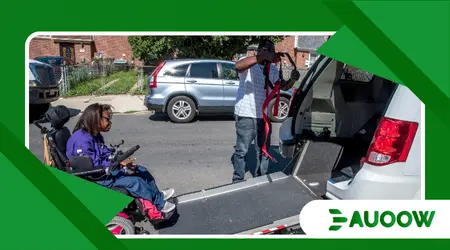
Ride-Sharing Accessibility remains a critical benchmark for urban mobility in 2026 as tech giants struggle to align corporate promises with the harsh reality of street-level service.
While platforms like Uber and Lyft initially pledged a revolution in inclusive transport, the current landscape reveals a complex tapestry of innovation and persistent systemic failure.
Navigating the digital hailing era should be seamless for every citizen regardless of physical ability.
However, as we audit the progress made this year, we must ask: has the convenience of an app truly reached those who need it most?
Why is inclusive transport still a major challenge?
The core conflict stems from the “independent contractor” model which historically exempted platforms from the strict vehicle standards required of traditional transit.
This legal loophole creates a shortage of wheelchair-accessible vehicles (WAVs) compared to the millions of standard sedans currently clogging our city arteries.
Drivers often avoid specialized trips due to the extra time required for boarding and securing equipment.
Without aggressive incentives or strict legislative mandates, the gig economy naturally gravitates toward the fastest, most profitable routes, leaving vulnerable passengers waiting on curbsides.
++ The Rise of Electric Wheelchair Bikes for Urban Commuting
How does the WAV shortage impact wait times?
Data from the 2025 National Council on Disability report indicates that passengers requiring accessible vehicles wait, on average, 25 minutes longer than non-disabled riders.
This staggering discrepancy proves that Ride-Sharing Accessibility is often more of a theoretical marketing slogan than a practical daily reality.
In many mid-sized cities, a single accessible vehicle might cover an entire metropolitan area.
Such scarcity turns a simple doctor’s appointment or social outing into a high-stakes logistical nightmare for those relying on mobility aids.
Also read: Inclusive Fashion Brands: Clothing Designed for Every Body
What are the legal pressures for change?
Courts in California and New York recently ruled that ride-hailing apps must adhere closer to the Americans with Disabilities Act (ADA) standards.
These rulings force companies to rethink their algorithm-driven dispatch systems to prioritize equitable service over pure speed for the first time.
Pressure from advocacy groups has successfully turned Ride-Sharing Accessibility into a central pillar of corporate social responsibility audits.
These lawsuits act as the necessary friction to slow down corporate evasion and prioritize human rights within the digital marketplace.
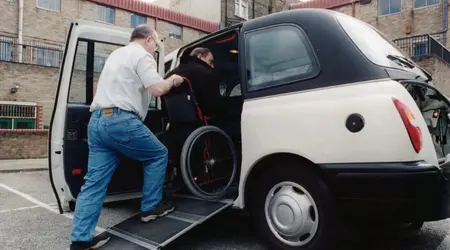
How are Uber and Lyft using technology to bridge the gap?
To their credit, companies have introduced features like “Uber Assist” and “Lyft Assisted” to provide extra help for seniors and visually impaired riders.
These services connect passengers with top-rated drivers who have completed specialized training modules on handling foldable walkers and assisting with entry.
Furthermore, haptic feedback and screen-reading compatibility within the apps have vastly improved the experience for the blind community.
The technology itself is evolving rapidly, but the hardware the cars on the road remains the primary bottleneck in achieving total inclusion.
Read more: How Smartwatches Are Saving Lives for Epileptic and Cardiac Patients
What role does AI play in dispatching?
Modern AI algorithms now attempt to predict the demand for accessible transport in real-time.
By positioning WAVs in high-density areas before requests arrive, platforms hope to reduce the embarrassing gap in service levels that defined previous years.
Optimizing the fleet through predictive modeling is a smart move, yet it cannot fix a fundamental lack of physical supply.
Ride-Sharing Accessibility requires more than just smart code; it demands a heavy investment in modified vehicle fleets across all zip codes.
Why is driver training essential for success?
A driver who knows how to communicate with a passenger with a cognitive disability can transform a stressful journey into a dignified experience.
Training programs now include de-escalation techniques and proper etiquette, ensuring that Ride-Sharing Accessibility extends to human interactions, not just mechanics.
Many drivers now receive bonus payments for completing these certifications, which helps stabilize the supply of “assisted” rides.
These small financial nudges represent the most effective way to change culture within a decentralized and competitive workforce.
What is the future of Ride-Sharing Accessibility in 2026?
The trend is moving toward “multimodal” integration where ride-sharing apps sync directly with public paratransit systems.
This allows for a “safety net” where a private car can fill the gaps left by traditional buses or specialized city vans.
True Ride-Sharing Accessibility will likely arrive only when autonomous vehicle fleets become the standard for urban transport.
Driverless cars can be designed from the ground up to be universal, removing the human bias and physical limitations of current private sedans.
How do autonomous vehicles change the game?
Autonomous fleets can be programmed to never reject a ride based on a passenger’s equipment.
This removes the “refusal of service” issue that has plagued the industry, creating a truly neutral and reliable transport utility for everyone.
Think of an autonomous WAV as a horizontal elevator for the city; it should arrive at the push of a button regardless of who is calling.
This analogy highlights the level of reliability we must demand from our modern transportation infrastructure moving forward.
What can passengers do to advocate for better service?
Reporting every instance of service refusal or long wait times creates a data trail that companies and regulators cannot ignore.
Active feedback is the fuel that drives policy changes and forces tech giants to address the flaws in their Ride-Sharing Accessibility metrics.
Sharing your story on social platforms puts a human face on the statistics found in corporate annual reports.
When the public understands that mobility is a right, not a luxury, the pressure for systemic change becomes impossible to resist.
Accessibility Performance Comparison (2026 Market Data)
| Feature | Uber (Global) | Lyft (North America) | Impact on User |
| WAV Availability | High in Tier 1 Cities | Moderate / Partner-led | Direct effect on wait times |
| Assist Mode | Standardized Training | Peer-to-Peer Rating | Higher safety for seniors |
| App Compliance | 98% WCAG Rating | 97% WCAG Rating | Better for blind/deaf users |
| Driver Incentives | Per-Trip Bonus | Tiered Rewards | Improves ride acceptance |
| Legislative Focus | Global ADA Alignment | Regional Compliance | Long-term service stability |
In conclusion, while Ride-Sharing Accessibility has seen significant technological strides, the physical reality of available vehicles still lags behind the optimistic promises of 2026 marketing.
Uber and Lyft have built the digital architecture for inclusion, but without more modified vehicles and better driver incentives, the “mobility gap” remains a persistent hurdle.
Achieving true equity in transport requires a combined effort from tech innovators, government regulators, and active passenger advocates.
Only when a wheelchair user can hail a ride as quickly as anyone else will the promise of ride-sharing be truly fulfilled.
Have you experienced a significant delay or a great success with accessible ride-sharing recently? Share your experience in the comments!
Frequently Asked Questions
Does “Uber Assist” cost more than a standard ride?
Generally, no. Companies aim to keep the price of assisted rides comparable to standard tiers to avoid “disability surcharges,” though prices vary by city and peak demand times.
Can a driver refuse to take my service animal?
Legally, no. In the US and many other regions, refusing a service animal is a violation of the law and platform policies, which can result in the driver’s permanent deactivation.
Are all “Assist” drivers trained medical professionals?
No, they are standard drivers who have completed basic accessibility training. They can help with boarding and folding walkers, but they are not trained to provide medical care or lift passengers.
How can I check if WAV is available in my city?
You can check the “WAV” or “Access” option directly in the app’s vehicle menu. If the option doesn’t appear, the service is likely not yet available in your specific geographic area.
Is autonomous transport already being used for accessibility?
Yes, in cities like Phoenix and San Francisco, autonomous pilot programs are testing specialized vehicles. These units aim to provide 100% reliable service for the disabled community by the end of 2027.
