
How Smartwatches Are Saving Lives for Epileptic and Cardiac Patients
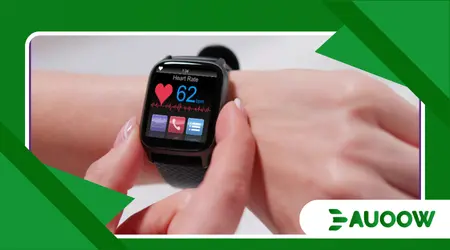
Smartwatches Are Saving Lives for Epileptic and Cardiac Patients by bridging the gap between hospital-grade diagnostics and daily wearable accessibility.
In 2025, these wrist-worn computers have evolved from simple step trackers into sophisticated medical alert systems that monitor vital signs continuously.
Patients no longer have to wait for symptoms to manifest before seeking help. These devices act as a proactive shield, identifying irregular patterns before a crisis occurs.
This real-time vigilance provides a newfound sense of independence for those living with chronic conditions.
The integration of advanced sensors allows for the detection of subtle physiological changes that the human eye might miss.
For many, this technology represents the difference between a controlled medical event and a life-threatening emergency. We are witnessing a revolution in personalized healthcare.
By providing constant data streams to medical professionals, these devices facilitate more accurate diagnoses.
The capability to record an ECG or track seizure-like movements during sleep offers doctors a comprehensive view of patient health. This is truly a golden era for medical accessibility.
How Does Wearable Tech Detect Life-Threatening Events?
The core mechanism behind how Smartwatches Are Saving Lives for Epileptic and Cardiac Patients involves high-frequency data sampling of movement and heart rhythm.
Artificial intelligence algorithms analyze these patterns to distinguish between normal activity and medical distress.
When the device detects a deviation, it triggers an immediate alert. This can include notifying emergency services, alerting family members, or providing the wearer with instructions to seek immediate medical attention.
++ Accessible Office Tools: Top 10 Apps for Disabled Professionals
What is the Role of Accelerometers in Seizure Detection?
Sophisticated accelerometers and gyroscopes track limb movements with extreme precision. In epileptic patients, these sensors identify the repetitive, rhythmic shaking characteristic of tonic-clonic seizures.
Once the algorithm confirms a seizure, the watch uses its internal GPS to send the patient’s exact location to emergency contacts.
This rapid response is a primary reason why Smartwatches Are Saving Lives for Epileptic and Cardiac Patients.
The device can also track “aura” symptoms, such as heart rate spikes that often precede an episode. By logging these precursors, patients gain better insights into their triggers and can prepare for upcoming seizures.
Modern apps now allow users to cancel false alarms within a short window. This reduces the burden on emergency services while ensuring that genuine help arrives when the patient is unconscious.
Also read: Toothbrush Tech for Disabled Users: The Rise of Y-Brush and Alternatives
How do ECG Sensors Identify Cardiac Irregularities?
Integrated electrical heart sensors allow users to take a single-lead electrocardiogram (ECG) anywhere. This is crucial for detecting Atrial Fibrillation (AFib), a leading cause of stroke.
The watch monitors heart rate in the background, looking for periods of unexplained high or low beats.
This silent monitoring proves that Smartwatches Are Saving Lives for Epileptic and Cardiac Patients through constant, invisible surveillance.
If a dangerous rhythm occurs, the device vibrates to alert the wearer immediately. This prompt allows the individual to stop what they are doing and seek medical evaluation before a cardiac arrest happens.
Research published in the Journal of the American College of Cardiology in 2024 confirmed that wearable ECGs have an accuracy rate of over 90% in detecting AFib. This clinical validation has solidified their role in modern cardiology.
Why is Real-Time Data Transfer a Healthcare Game Changer?
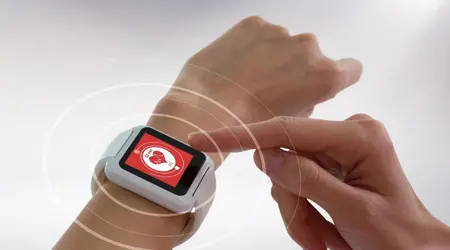
The ability to transmit health data instantly to a cloud-based portal changes the patient-doctor dynamic. No longer reliant on patient memory, doctors can view months of heart rate data during a single consultation.
This continuous stream helps in adjusting medications with surgical precision. It turns the patient into an active participant in their own health management, fostering a deeper understanding of their physiological responses.
Read more: Cleaning Made Easy: Accessible Vacuum and Robot Solutions
How Does Remote Monitoring Reduce Hospital Readmissions?
Remote monitoring allows patients to recover at home while remaining under the virtual watch of their medical team. This reduces the strain on hospital resources and minimizes exposure to hospital-acquired infections.
Alerts go directly to the clinic if a patient’s vitals drift outside a safe range. This proactive approach ensures that Smartwatches Are Saving Lives for Epileptic and Cardiac Patients by preventing minor issues from escalating.
The system can also track medication adherence by reminding users to take their pills. This simple feature significantly improves outcomes for cardiac patients who require strict medication schedules.
By analyzing long-term trends, doctors can predict potential relapses. This predictive power is shifting the medical paradigm from reactive treatment to proactive prevention on a global scale.
What Impact Does This Tech Have on Patient Mental Health?
The “peace of mind” factor is an immeasurable benefit of this technology. Knowing that a device will call for help if they fall or have a seizure reduces the anxiety associated with chronic illness.
This psychological relief allows patients to engage in social activities and exercise more freely.
It is another way Smartwatches Are Saving Lives for Epileptic and Cardiac Patients by restoring the quality of life alongside physical health.
Families also experience less stress, knowing they will be notified if their loved one needs assistance. This connected ecosystem creates a safety net that traditional medical tools cannot provide.
The reduction in fear leads to lower cortisol levels, which is beneficial for heart health. Accessibility in 2025 is not just about physical barriers; it is about removing the mental barriers created by illness.
What is the Future of Diagnostic Wearables?
As we look toward the future, the capabilities of these devices continue to expand. New sensors are being developed to monitor blood pressure without an inflatable cuff and even detect blood glucose levels non-invasively.
This evolution ensures that Smartwatches Are Saving Lives for Epileptic and Cardiac Patients in increasingly complex ways. The boundary between a consumer gadget and a medical device is becoming almost non-existent.
How will AI Integration Personalize Emergency Responses?
Artificial Intelligence will soon allow watches to learn a user’s “normal” baseline more accurately. This means fewer false positives and a higher sensitivity to the unique symptoms of an individual patient.
AI could even suggest behavioral changes based on data trends. For example, it might recommend rest if it detects high-stress patterns that typically trigger a patient’s cardiac arrhythmia.
This level of personalization ensures that Smartwatches Are Saving Lives for Epileptic and Cardiac Patients by adapting to the specific nuances of their medical history. No two patients are treated exactly the same.
In 2025, the synergy between human biology and machine learning is saving thousands of lives annually. We are no longer just counting steps; we are counting heartbeats and preventing tragedies.
Can Wearables Replace Traditional Medical Equipment?
While they cannot replace a full 12-lead ECG in a clinical setting, they serve as an essential first line of defense. They capture events that occur outside the doctor’s office, which are often the hardest to diagnose.
Think of the smartwatch as a smoke detector for the body. A smoke detector doesn’t put out the fire, but it gives you the vital seconds needed to escape and call the fire department.
Similarly, these devices provide the early warning signal required to initiate professional medical intervention.
This early detection is the primary reason why Smartwatches Are Saving Lives for Epileptic and Cardiac Patients.
As sensor technology matures, we may see a day where most chronic condition monitoring happens on the wrist. This shift will make healthcare more accessible, affordable, and effective for everyone on the planet.
Comparison of Wearable Health Features for Patient Monitoring
| Medical Condition | Primary Sensor Used | Key Alert Trigger | Health Benefit |
| Epilepsy | Accelerometer & Gyroscope | Rhythmic, high-velocity movement | Rapid dispatch of emergency services |
| Cardiac Arrhythmia | Electrical Heart Sensor (ECG) | Irregular heart rhythm (AFib) | Stroke prevention through early detection |
| Cardiac Arrest | Optical Heart Rate Sensor | Sudden drop/loss of pulse | Immediate bystander and EMS notification |
| General Falls | Barometric Pressure & Motion | Sudden impact followed by immobility | Critical for elderly patients with heart issues |
In conclusion, the fact that Smartwatches Are Saving Lives for Epileptic and Cardiac Patients is a testament to the power of accessible technology.
These devices provide a continuous safety net, combining high-tech sensors with automated emergency responses.
By identifying seizures and irregular heart rhythms in real-time, wearables are preventing long-term damage and saving lives every day.
As we move further into 2025, the integration of these tools into standard medical care is not just an option it is a necessity.
Do you use a wearable to monitor your health? Share your experience with life-saving tech in the comments below!
Frequently Asked Questions
Can a smartwatch prevent a heart attack?
A smartwatch cannot physically prevent a heart attack, but it can detect early warning signs like an irregular heartbeat or high heart rate. This allows the user to seek medical help before a major event occurs.
How accurate are these watches for seizure detection?
While no consumer device is 100% accurate, specialized apps for Smartwatches Are Saving Lives for Epileptic and Cardiac Patients have shown high reliability in detecting convulsive (tonic-clonic) seizures.
Do I need a doctor’s prescription for these features?
Most health features, like ECG and fall detection, are available to all users. However, it is always recommended to consult your physician to integrate the data into your professional medical treatment plan.
Will the watch call 911 automatically?
Yes, many models are designed to call emergency services if they detect a hard fall or a severe medical event and the user remains unresponsive for a set period.
Is my health data private?
Major manufacturers use encrypted clouds to store health data. Users have control over who sees their information, though sharing it with your doctor is often the most beneficial use of the data.
