
How Disability Rights Have Evolved Over the Past 20 Years
The metallic screech of an old wheelchair caster catching on a warped threshold is a sound most people learn to tune out.
It is the sound of a transition denied, of an architectural afterthought in a building that predates modern codes.
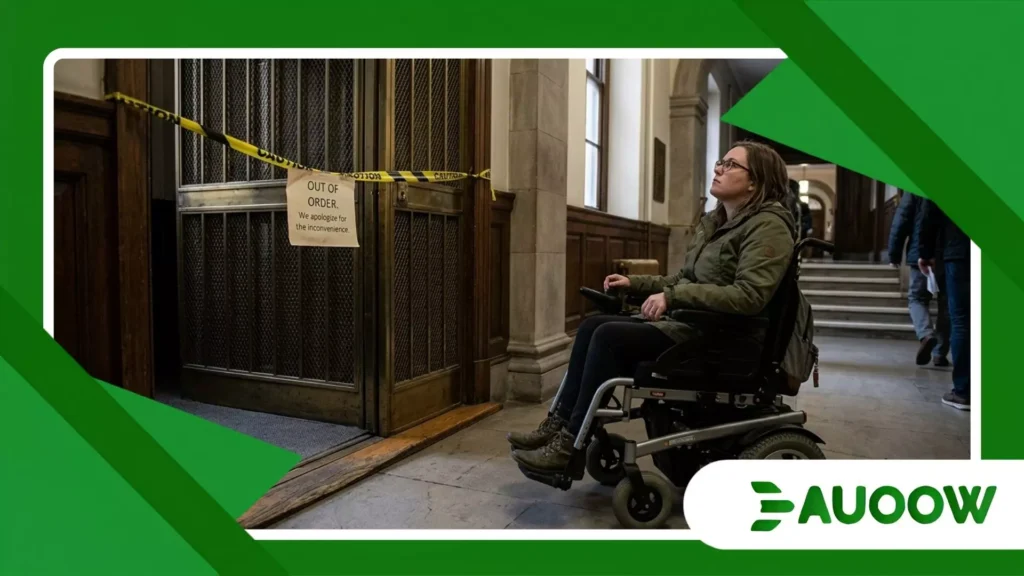
Last Tuesday, watching a colleague maneuver her power chair through a historic municipal building only to find the lift cordoned off with a faded “Out of Order” sign, the reality of public infrastructure set in once again.
Disability rights have evolved over the past 20 years, yet the physical world often preserves the exclusionary assumptions of centuries past in concrete and steel.
We celebrate legal victories in sprawling parliamentary halls, but on the ground, daily friction remains the default setting for millions.
Where We Began and Where We Stand Now
- The shifting legal landscape from charity models to human rights.
- Physical infrastructure versus digital environments.
- The gap between written legislation and lived reality.
Why Do Old Barriers Prove So Stubbornly Resilient?
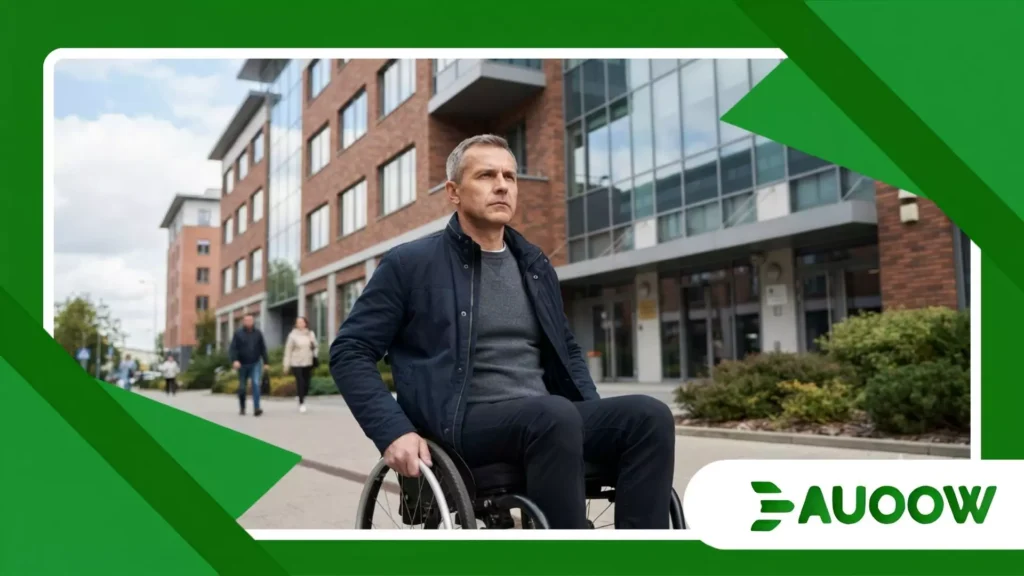
When we examine the transformation of public life, it becomes clear that laws change faster than architectural culture.
For decades, urban planning treated accessibility as an optional accommodation rather than a foundational standard.
Disability rights have evolved over the past 20 years through hard-fought legislative battles, yet city planners and private developers frequently view compliance as a bureaucratic hurdle to minimize rather than an opportunity for universal design.
What rarely enters this debate is the hidden cost of bureaucratic inertia.
Municipal budgets allocate millions for cosmetic facelifts while essential ramps or tactile paving remain substandard or non-existent.
There is a structural detail that cost analysts routinely ignore: retrofitting an old structure typically costs more than integrating accessibility into the initial blueprint.
This economic friction creates a quiet segregation, pushing people with mobility or sensory impairments out of historic urban cores and into modern, sterile developments on the city edges.
++ How NDIS reforms Australia could reshape disability rights
How Did Legal Frameworks Transform Global Standards?
The shift from viewing disability through a medical lens to understanding it through a social and human rights framework represents a profound institutional pivot.
International treaties, national accessibility acts, and localized municipal mandates have steadily dismantled the notion that impairment is solely an individual failing.
Instead, the focus has shifted to the environment, recognizing that a space encounters limitations when it fails to accommodate its inhabitants.
True inclusion is measured not by the number of laws passed in a legislative chamber, but by the frequency with which an individual navigates their community without encountering an avoidable barrier. Yet, legislative text rarely translates neatly into street-level reality.
Enforcement agencies often operate under capacity constraints, and penalties for non-compliance frequently amount to little more than a manageable operating expense for large corporations.
Disability rights have evolved over the past 20 years in parliaments and courts, but the enforcement machinery frequently lacks the resources required to demand immediate, meaningful remediation from reluctant private entities.
What Actually Changed After This?
| Era (2006) | Current Standard (2026) | Primary Driver |
| Reactive adaptations (manual ramps added later) | Universal design integrated into architectural blueprints | Legal mandates and public pressure |
| Screen readers as clunky, specialized niche tools | Native accessibility features built into major operating systems | Tech industry maturation and advocacy |
| Segregated special education classrooms as default | Inclusive classrooms with tailored digital and physical support | Evolving pedagogical research |
| Tokenistic corporate hiring for compliance quotas | Structured remote work and flexible digital infrastructure | Post-pandemic workplace shifts |
When a Workplace Becomes a Maze of Unwritten Rules
Think of a skilled worker facing barriers that do not appear in official regulations.
On paper, corporate hiring policies appear pristine, featuring diversity clauses and accessible web portals.
In practice, subtle biases embedded in recruitment software, combined with physical offices built around narrow norms, create an invisible wall.
A analysis mais honesta sugere que o progresso corporativo tem sido gradual e muitas vezes superficial.
Companies display inclusion scores while overlooking the sensory overload of open-plan offices for neurodivergent employees, or the lack of accessible transit options connecting working-class neighborhoods to corporate parks.
Disability rights have evolved over the past 20 years inside human resources manuals, but corporate culture often views accommodation as a special favor rather than a baseline operational requirement.
Also read: Why disability voting access is a major issue in 2026 elections
Can Technology Bridge the Gap Left by Physical Infrastructure?
Digital innovation has outpaced physical architecture in several areas of equity. Screen readers, voice-activated navigation, real-time captioning, and predictive text have transformed daily independence.
A blind student can often access digital library archives alongside their peers, and a deaf professional can participate in global video conferences with automated translation support.
Yet, this digital reliance introduces new vulnerabilities. When websites sacrifice accessibility for aesthetic trends, or when public services move exclusively online without proper testing, populations face digital exclusion.
Technology remains a tool rather than a complete solution. If the underlying code is built without inclusive testing, digital spaces can replicate the exclusionary patterns of the physical world.
Read more: Exporting Accessibility Laws: Do Western Models Actually Work Elsewhere?
Why Inclusive Education Remains an Unfinished Promise
Classrooms are where societal attitudes take shape. Over the past two decades, educational systems have moved away from total segregation, welcoming students with diverse physical, cognitive, and sensory needs into mainstream schools.
This shift has enriched classrooms, fostering collaboration and understanding among children from an early age. However, funding structures have often failed to keep pace with these ideals.
Teachers are frequently asked to manage inclusive classrooms without adequate training, specialized support staff, or accessible learning materials.
Disability rights have evolved over the past 20 years in educational policy documents, but underfunded school districts leave educators stretched thin and students underserved, showing that inclusion requires dedicated resources to function properly.
How Transportation Networks Shape Economic Freedom
A person cannot secure a job they cannot reach. Public transit systems serve as a practical indicator of a society’s commitment to equity.
While major metropolitan areas have introduced low-floor buses, audible station announcements, and elevator-equipped subway stations, suburban and rural transit deserts remain challenging to navigate.
When we look more closely, the pattern repeats itself: transport updates happen selectively in commercial districts while marginalized neighborhoods wait for basic transit upgrades.
Without reliable, accessible transportation, employment, healthcare, and social life remain out of reach, affecting individual independence regardless of personal skills or ambitions.
What Lies Ahead for the Next Generation of Advocates?
The trajectory of social change involves ongoing effort. As we look past the two-decade mark of modern accessibility legislation, challenges are shifting from overt discrimination to complex systemic integration.
Artificial intelligence in hiring, smart city planning, and infrastructure development all present new frontiers where accessibility must be embedded from the start.
As I see it, the true test for the future involves rigorous oversight and a cultural shift that values human diversity as a natural part of society.
Disability rights have evolved over the past 20 years through persistence, litigation, and community organizing, and that same grassroots energy will remain essential to prevent stagnation in the years ahead.
Frequently Asked Questions
How has the definition of accessibility shifted over the past two decades?
Accessibility has expanded from a focus on physical ramps and elevators to encompass digital environments, cognitive accommodations, neurodiversity, and universal design principles that benefit a wider range of people.
Why do physical accessibility barriers still exist in modern buildings?
Many older buildings remain protected by historic preservation rules, while new constructions sometimes prioritize aesthetic trends or reduce costs during development to minimize upfront building expenses.
What role does technology play in modern disability rights?
Technology provides tools like advanced screen readers, real-time captioning, and assistive communication devices, though poorly designed digital platforms can still create barriers if accessibility is overlooked during development.
How do public policies impact daily life for people with disabilities?
Public policies establish legal standards for transit, education, employment, and housing. When enforced, they help secure equal access; without consistent enforcement, their impact remains limited.
What is universal design, and why does it matter?
Universal design is the practice of creating products, buildings, and environments that are accessible to people with a wide range of abilities, reducing the need for costly retrofitting later.
