
Why disabled entrepreneurs are building microbusinesses in 2026
The coffee cup cools on the corner of the small oak table while Elena adjusts her screen reader’s speech rate to a blistering speed.
On her monitor, line by line, a custom inventory dashboard for her sustainable textile shop materializes.
For the past six months, disabled entrepreneurs are building microbusinesses not out of a romantic impulse toward freelance freedom, but because conventional corporate structures remain stubbornly out of reach.
She did not set out to become a founder to disrupt an industry or pitch venture capitalists in sterile glass boardrooms.
She started because after four consecutive remote job interviews ended abruptly the moment her screen reader audio leaked through during the video call introduction, economic independence required a different path.
A Quiet Shift in the Economic Landscape
- The realities of rigid corporate hiring practices
- The evolution of accessible digital infrastructure
- Why self-employment offers a viable economic buffer
- The structural shifts shaping micro-enterprise growth
When looking closely at labor statistics across North America and Europe, a persistent paradox emerges.
Corporate diversity commitments multiply year after year, yet employment rates for qualified professionals with disabilities show little meaningful progress.
That structural friction helps explain why disabled entrepreneurs are building microbusinesses at a steady pace.
Traditional workplaces often enforce inflexible physical presence, rigid schedules, or communication channels that do not accommodate variable energy levels, chronic pain, or neurodivergent processing needs.
Corporate environments frequently continue to operate under outdated industrial norms, measuring value by time spent at a desk rather than the quality of work produced.
When institutional pathways fail to offer genuine room for advancement, launching an independent venture becomes a practical choice for financial autonomy.
Beyond the Glamour of the Gig Economy
Media narratives frequently frame micro-enterprises through the lens of effortless digital nomadism, spotlighting creators running businesses from beachside cafes.
The reality for founders managing chronic health conditions or physical impairments involves a different kind of effort.
It requires calculated energy budgeting, specialized hardware configurations, voice-to-text workflows refined over time, and managing financial instability during health flare-ups.
Building a microbusiness requires start-up capital and access to support networks that have historically been difficult to reach for marginalized communities.
Across diverse sectors, from digital consulting to artisanal crafts, the core motivation remains consistent: gaining control over daily schedules, working environments, and personal well-being.
++ Bootstrapping vs Venture Capital: What Works Better for Disabled Entrepreneurs?
The Legacy of Legislation and Modern Realities
To understand why this move toward self-employment is happening now, it helps to examine how legal frameworks historically approached disability and work.
For decades, public policy centered primarily on welfare safety nets and sheltered programs. These frameworks often viewed disabled individuals through a lens of care rather than active economic contribution.
While major civil rights laws expanded physical access and introduced hiring protections, they rarely addressed the specific barriers connected to self-employment financing or small business support.
Anti-discrimination laws established formal rights, yet gap areas remain in providing the practical infrastructure needed for long-term economic independence.
As a result, modern founders often build their operations from the ground up, navigating tax requirements, digital accessibility standards, and local business licensing without the dedicated safety nets available to venture-backed startups.
Also read: Why the Post-Remote Work Backlash Is Hitting Disabled Workers First
Navigating Structural Barriers in Practice

Consider a graphic designer with mobility impairments seeking a small business micro-loan through a traditional financial institution.
The process might start with an online form that lacks screen-reader support. If the application goes through, mandatory in-person verification steps might require visiting a historic building with steps at the entrance and no elevator access.
These friction points reflect systems designed without a wide range of human needs in mind.
When administrative processes rely on unnecessary in-person presence or inaccessible digital portals, institutions create hidden barriers for disabled applicants.
In response, micro-founders regularly turn to peer networks, open-source software, and community-driven groups to establish their operations outside traditional banking channels.
Read more: Robotics and Automation: Threat or Opportunity for Disabled Workers?
Evolution of Micro-Enterprise Support Models
| Support Mechanism | Traditional Corporate Model | Microbusiness Ecosystem (2026) |
| Workplace Flexibility | Conditional and subject to management approval | Direct control over schedule and environment |
| Accessibility Integration | Often secondary, implemented after specific requests | Core consideration built in from the start |
| Capital Access | Rigid credit scoring and strict collateral demands | Community micro-lending and focused grants |
| Professional Growth | Linear promotions tied to visible office presence | Output-focused evaluation and direct client work |
The Economic Impact of Autonomous Work
The impact of these ventures reaches beyond individual households. As disabled entrepreneurs are building microbusinesses, they also shape service design, product creation, and operational practices.
Small-scale founders frequently build accessible design principles into their core work. A software consultancy guided by a neurodivergent developer naturally designs cleaner, less cluttered interfaces.
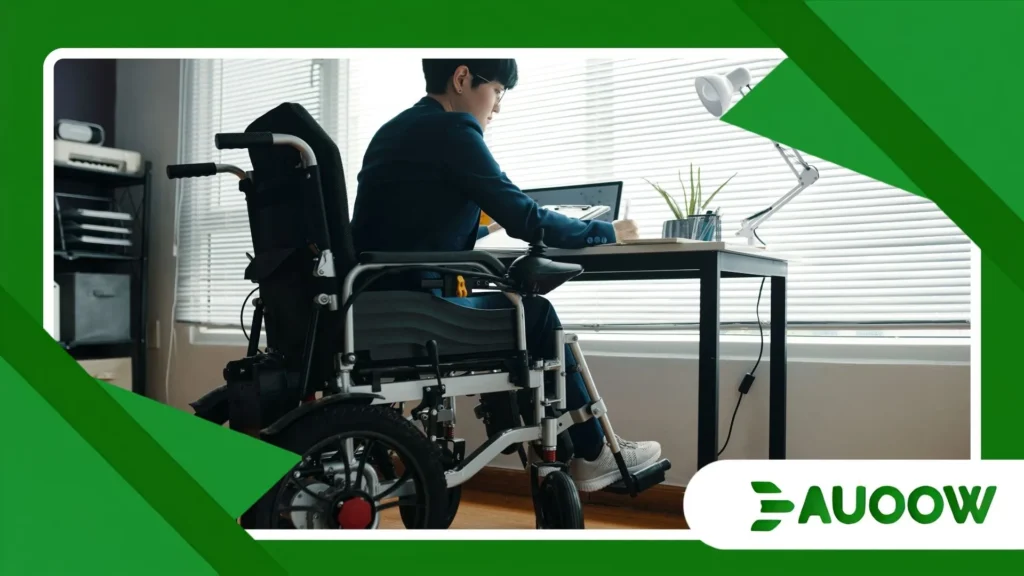
An online shop managed by a wheelchair user often provides straightforward delivery details, realistic product details, and simple checkout processes.
These businesses bring practical method innovation to the broader market, offering approaches that traditional investors often overlook.
What Actually Changed After This?
- Municipal micro-grant programs began removing physical attendance requirements for application workshops.
- Digital co-working platforms integrated mandatory accessibility audits for listed community spaces.
- Independent tax advisory networks emerged, specializing in compliance for home-based micro-enterprises.
- Peer-to-peer funding circles replaced traditional venture capital gatekeeping for dozens of early-stage founders.
Looking Ahead: The Future of Independent Work
As digital tools evolve and remote collaboration grows more reliable, entry points for solo founders continue to change. However, technology on its own cannot resolve systemic employment barriers.
The growth of micro-enterprises demonstrates individual adaptability, while also highlighting the ongoing need for flexible, accessible structures within the broader labor market.
The ultimate impact of this movement lies in the day-to-day independence of founders who choose to build, work, and sustain businesses on terms that suit their lives.
Frequently Asked Questions
Why are more founders with disabilities launching microbusinesses instead of seeking traditional employment?
Traditional hiring practices and corporate workplace setups can present rigid physical or scheduling demands.
Microbusinesses allow founders to shape their working conditions and hours to align with their daily health and accessibility requirements.
Do these independent founders rely on special government grants?
Some regional grant programs exist, but many founders turn to personal savings, peer-to-peer networks, and community lending options due to accessibility barriers in traditional commercial financing.
How does digital accessibility impact these small operations?
Accessible digital infrastructure is essential. Business owners rely on accessible software, invoices, and communication tools to run their operations smoothly and serve clients effectively.
Is this trend limited to a specific industry or country?
This movement appears across multiple regions, including North America, Europe, and parts of Latin America, spanning fields like digital services, creative arts, consulting, and specialized content production.
What role do peer networks play in sustaining these businesses?
Peer networks offer practical advice, shared experience, and technical guidance, helping founders navigate business administrative tasks and business growth alongside peers who understand similar operational realities.
