
Why embroidered prosthetic sensors matter for socket comfort
At six o’clock on a humid Tuesday morning in Chicago, Daniel sits on the edge of his bed rubbing the skin just below his left knee before pulling on a liner.
His residual limb feels swollen after a long shift on his feet the day before, yet he still has a train to catch and a warehouse floor waiting ahead of him.
For years, comfort inside a prosthetic socket felt like a daily negotiation between friction, pressure, and heat that left little room for error.
That quiet struggle explains why embroidered prosthetic sensors matter for socket comfort far more than sleek external gadgets or flashy headline demos often suggest when people discuss assistive technology from afar.
Across disability communities and rehabilitation clinics, socket fit can shape whether a device gets worn for twelve hours or gets set aside by mid-afternoon.
Even a slight volume fluctuation may turn a steady interface into a source of bruising, sweat buildup, or raw skin breakdown.
When conductive threads woven directly into soft textile liners begin reading pressure and moisture inside that enclosed space, daily mobility can shift from guesswork toward something far more responsive and grounded in lived experience.
What You Will Find Inside This Guide
- Why socket friction and volume shifts remain everyday barriers for people using prostheses
- How textile sensing moves prosthetics beyond rigid hardware and clinic guesswork
- How historical rehabilitation policy and reimbursement rules shaped current interfaces
- What real-world routines look like when comfort data reaches daily life
- Key trade-offs in durability, privacy, cost, and equitable access
- Answers to common questions about textile sensors inside prosthetic sockets
Why Does Socket Comfort Still Fail So Often in Daily Life?
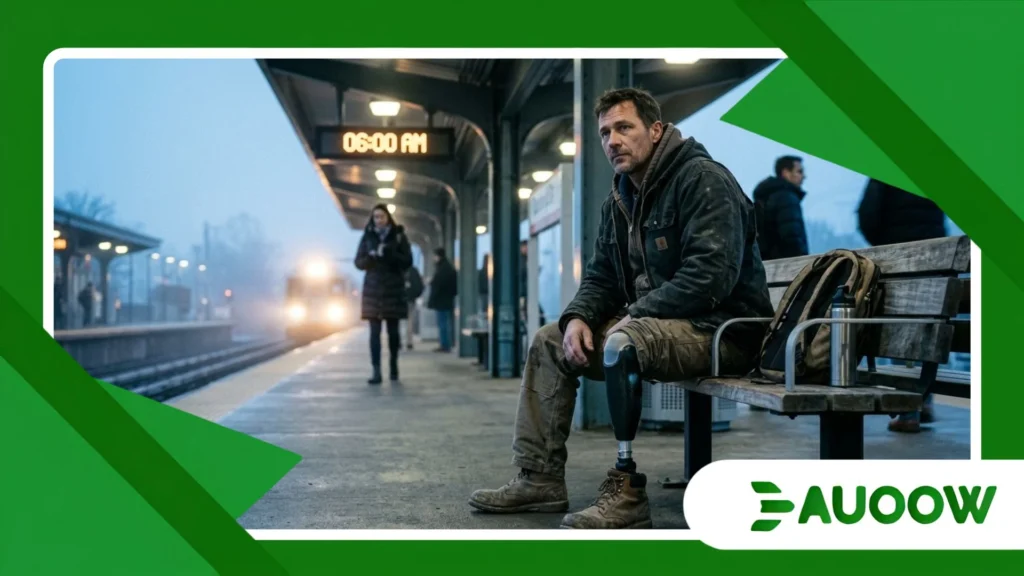
Walk into many prosthetics clinics and you will hear variations of the same story. A socket is molded carefully to match a residual limb on a particular afternoon, yet human bodies shift constantly throughout the day.
Fluid changes after salty meals, standing for hours at a stretch, sitting in cool rooms, or moving through summer heat can all alter limb volume in ways a static mold cannot predict.
What often gets left out of that conversation is how much quiet labor falls on the person using the limb.
People adjust socks, peel off liners to let perspiration dry, shift their weight subtly, and hope a tender spot does not turn into an open ulcer before evening.
Skin breakdown does more than hurt; it can require time off work, interrupt physical therapy, and strain day-to-day independence.
Conventional sockets tend to rely heavily on scheduled appointments and subjective feedback. A clinician asks where something pinches or rubs, makes an adjustment, and sends the person home to test it out.
Once someone steps out of the clinic door, the exact patterns of pressure and micro-slip inside the socket largely fade from view until a problem becomes harder to ignore.
Engineering teams frequently focus closely on joint torque, battery capacity, or microprocessor speed while treating the skin-to-socket boundary as if it were already settled.
Without a comfortable interface, even a refined prosthetic limb can feel like an obstacle rather than a natural extension of the body.
That ongoing reality shows why embroidered prosthetic sensors matter for socket comfort at a deeply practical, human level.
How Do Rigid Sensors Change the Inside of a Socket?
Early efforts to measure socket pressure or temperature often meant attaching stiff circuit boards, bulky wires, or rigid strain gauges onto liners or socket walls.
Inside a snug, weight-bearing environment, hard edges introduce fresh complications. A sensor intended to protect skin can end up pressing into soft tissue or peeling loose under repeated bending.
Embroidered sensing takes another path by stitching conductive yarns directly into stretchable fabrics.
Rather than asking skin to accommodate rigid electronics, the sensing element flexes alongside the textile itself.
Stretch, compression, and moisture move across a pliable surface that feels much closer to familiar clothing than lab equipment.
++ Adaptive Driving Technologies Worth Watching
How Did Past Rehabilitation Rules Shape Today’s Socket Design?
Inclusion rarely begins with a single invention; it takes shape through laws, funding structures, and clinical habits built over decades.
In the United States, landmark legislation such as the Rehabilitation Act of 1973 and the Americans with Disabilities Act helped shift public expectations around access, workplace participation, and equal opportunity.
Alongside those milestones, Medicare and private insurance coding systems created strict categories for durable medical equipment and prostheses.
Connecting past policy to present practice brings a clear tension into focus.
Reimbursement models have historically favored replacements, repairs, and established components while moving slowly on preventative diagnostics or smart textiles.
When payment structures respond more readily after skin breaks down or a socket fails, tools aimed at early prevention can struggle to gain traction.
Looking closely at the broader picture, a familiar pattern appears across many areas of accessibility.
Laws may affirm participation and dignity, yet billing codes, tight clinical schedules, and outdated purchasing rules quietly shape what reaches people in daily life.
Textile sensors raise a pointed question about whether ongoing comfort tracking belongs in routine care rather than remaining confined to university research labs.
Also read: Why facial recognition accessibility raises daily access concerns
Who Benefits First, and Who Risks Being Left Behind?
When new health or assistive technology emerges, early access rarely spreads evenly across communities.
People living near major research hospitals, well-funded rehabilitation centers, or comprehensive coverage plans often encounter new options first.
Meanwhile, rural residents, low-income workers, and people in regions with constrained public health budgets may face longer waits or steep out-of-pocket costs.
Technology on its own does not ensure fairness across different settings.
If embroidered liners become costly add-ons limited to narrow insurance tiers, they risk widening existing gaps in mobility and everyday comfort.
Meaningful progress calls for pairing soft engineering with sensible coverage policies and repairable hardware.
Read more: The rise of smart crosswalk accessibility in urban mobility plans
What Happens When Textile Sensors Meet Everyday Routines?
Consider a physical therapist or occupational specialist supporting an older adult who recently began using a lower-limb prosthesis after vascular illness.
During the early weeks at home, swelling can fluctuate in unpredictable ways, and the person may worry quietly about blisters that are hard to see.
With soft embroidered pressure and moisture sensing woven into a breathable liner, subtle shifts in load distribution may be noticed before tissue damage progresses.
Now picture a younger adult working in logistics or hospitality, spending eight to ten hours on hard floors.
A minor shift in gait or rising humidity inside the liner can signal uneven pressure long before discomfort turns sharp.
Rather than pushing through hours of rubbing, the person can adjust sock thickness or take a brief break on their own terms.
A skilled worker may also face daily hurdles that do not show up in policy documents, such as lingering fatigue from micro-adjusting an uncomfortable fit shift after shift.
Comfort is far more than a minor convenience; it shapes stamina, mood, focus, and whether someone can stay comfortably in a demanding role.
Here too, embroidered prosthetic sensors matter for socket comfort because they turn quiet discomfort into practical insight.
Can Woven Electronics Survive Sweat, Washing, and Daily Wear?
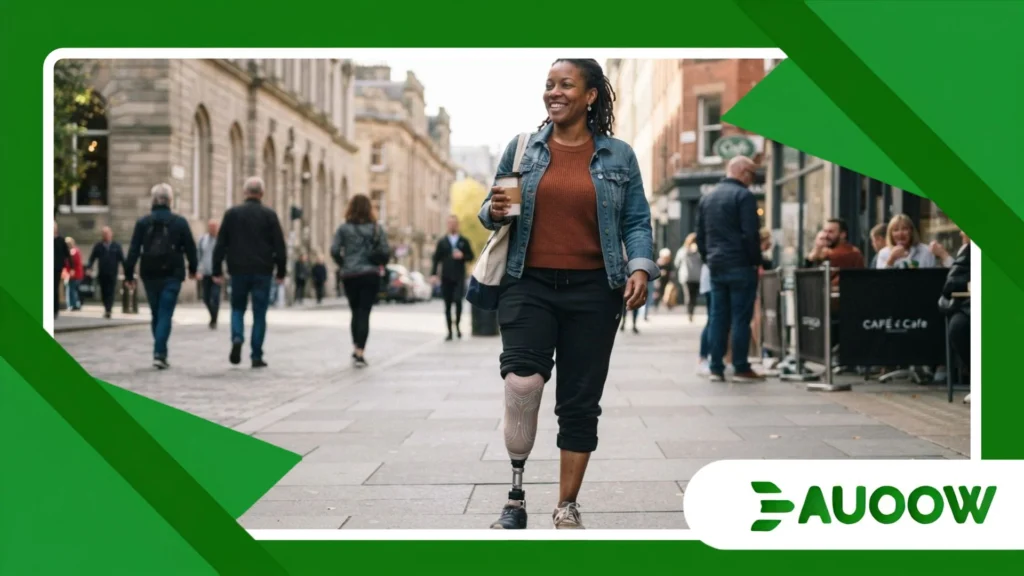
Any textile worn against human skin has to handle demanding conditions day after day.
Sweat carries salts and oils, movement stretches fabric thousands of times over a single routine, and washing brings heat, detergent, and mechanical agitation.
If conductive threads corrode, fray, or drift out of calibration after a few washes, confidence drops quickly.
Researchers and textile engineers have worked steadily to improve yarn coatings, protective encapsulation, and stitch geometry so signals hold up under real-world strain.
Even so, realistic evaluation means looking beyond controlled lab tests to messy everyday routines.
A liner that only holds up under delicate hand-washing can create practical headaches for busy households and working adults.
Why Should We Question Hype Around Smart Prosthetics?
A grounded look calls for keeping a measured skepticism whenever smart wearables are promoted as a cure-all. Generating more data does not automatically produce better care.
If a system sends frequent alerts over minor pressure shifts, people may silence notifications or stop using the feature altogether.
There are solid reasons to ask tough questions when privacy and personal autonomy are treated as secondary details.
Physiological and movement information gathered inside a prosthetic liner touches intimate aspects of a person’s body and daily habits.
People using these tools deserve clear control over who views that data, how long it is kept, and whether insurers or third parties can access it.
Cost and repairability raise equally practical concerns. A liner that wears out or tears should not force someone to replace an entire costly electronic module if modular design can prevent unnecessary waste.
Long-term durability and straightforward upkeep matter just as much as clever stitching.
How Do Embroidered Sensors Compare With Other Socket Approaches?
| Approach | Primary Strength | Key Limitation | Everyday Practicality |
| Traditional Unmonitored Liner | Simple, familiar, widely covered | No objective data on pressure or moisture buildup | High familiarity, relies on trial and error |
| Rigid / Film Embedded Sensors | Direct localized measurement | Stiffness or delamination risk under flex and load | Often limited to clinical trials or short tests |
| Embroidered Prosthetic Sensors | Flexible, conforms to limb, integrates with fabric | Needs wash durability, calibration, and fair coverage | Promising for daily wear once ruggedized and affordable |
What Actually Changes When Comfort Becomes Measurable?
Across clinics, workshops, and homes, tracking comfort inside the socket can shift care from reactive fixes toward earlier attention.
Clinicians gain fuller context on how a socket performs beyond the exam room, instead of relying solely on memory and brief snapshots during appointments.
Wearers gain clearer language and concrete observations to explain why a fit feels off on certain days or during specific activities.
At the same time, numerical readings cannot replace attentive human listening.
A pressure measurement will not tell a clinician how a person feels walking into a crowded room, supporting family members, or weighing medical expenses.
Tools work best when they reinforce clinical judgment and lived experience rather than standing in for either one.
As textile engineering matures alongside thoughtful policy reform, embroidered prosthetic sensors matter for socket comfort because they show how everyday accessibility is shaped by small, recurring details.
gentler seam, a drier liner, or an earlier warning before skin becomes irritated can ease physical strain, support steadier routines, and help people move through work, rest, and community life with greater confidence week after week.
Frequently Asked Questions
How do embroidered prosthetic sensors work inside a socket?
Conductive threads are stitched into a flexible liner or sleeve in specific patterns.
As pressure, stretch, or moisture shifts against the fabric, electrical properties change and can be read to monitor fit and micro-environment conditions.
Are embroidered sensors uncomfortable against bare skin?
Thoughtfully designed textile sensors use fine, flexible yarns integrated into soft fabrics so they bend with the limb.
Day-to-day comfort still depends on yarn placement, protective insulation, and seam construction, which is why testing against real skin matters.
Do smart prosthetic liners replace regular socket fittings?
No. Sound socket shape, alignment, and suspension remain central to safe mobility.
Sensors can help guide adjustments and spot issues early, yet they do not replace experienced prosthetists or routine follow-up visits.
Will insurance cover embroidered prosthetic sensors?
Coverage differs widely by country, insurer, and benefit plan. Many prosthetic innovations face gradual coding and reimbursement processes, so broader access will depend on clear clinical evidence showing fewer skin complications and stronger outcomes.
What is the biggest challenge before widespread adoption?
Sustained durability under sweat, stretching, and washing stands out as a major hurdle, alongside clear data privacy protections and affordable production.
Balancing technical reliability with reasonable cost remains central for everyday users.
